Fast, Reliable Attic Insulation Across Good Hope
Attic insulation in Good Hope, CA typically runs $1,600 – $4,800 for a full replacement on a standard site-built home, and the job is usually completed same day. Those numbers reflect what we actually see on 92572 properties: larger roof spans, older batt insulation that’s collapsed, and detached outbuildings that were never insulated in the first place. We know this area because we work it regularly, and we schedule our Good Hope calls around the heat. The hotter the attic, the earlier we want to get a crew up there. Call (855) 341-3373 for a quote specific to your roof, your square footage, and whether you’ve got a workshop or garage on the same parcel.
Why Shelter Insulation Is Good Hope’s Preferred Attic Insulation Company
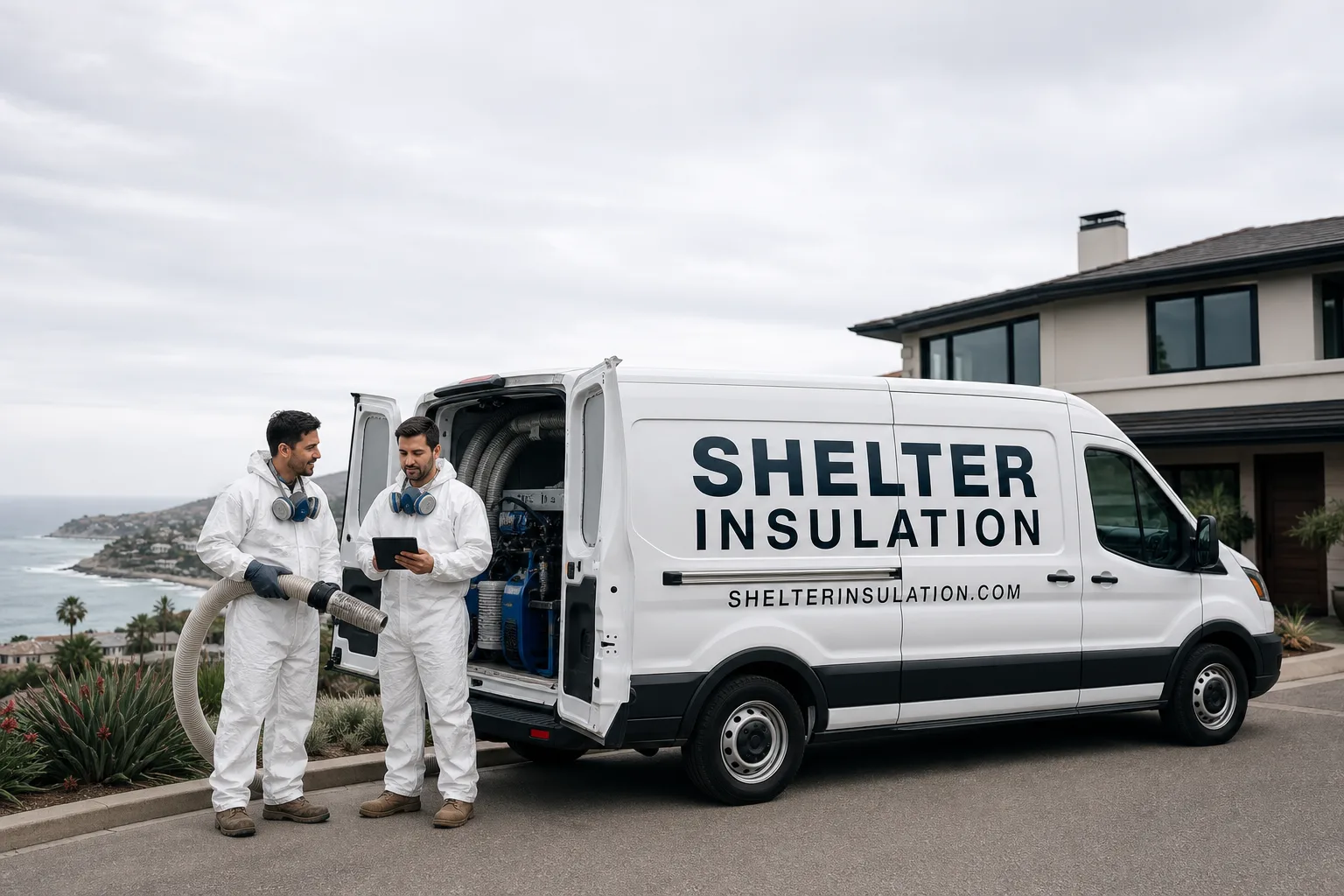
Good Hope homeowners don’t call us because they saw a generic ad. They call because a neighbor mentioned us, or because a previous contractor quoted one product and wouldn’t discuss anything else. That’s the opposite of how we operate. Alan Brecker built Shelter Insulation around carrying eight manufacturer brands, not one, because a manufactured home needs something different than a site-built house, and a detached workshop needs something different again. When we roll into Good Hope, we bring the full scope: fiberglass, mineral wool, open- and closed-cell foam, and cellulose. One crew, every insulation need, all authorized by the manufacturers. No passing your job off to a third party.
Response time matters here. Good Hope sits at the rural edge of the Perris Valley, and a homeowner with a 150°F attic at 11 a.m. on a July morning doesn’t want to hear about a scheduling window two weeks out. We keep Good Hope calls grouped on our route, so our response is measured in days, not weeks. Every estimate is free, and Alan signs off on every scope before we send a crew.
Radiant Barrier in Good Hope
Radiant barrier in Good Hope is the single most effective heat-gain intervention we install, because a 140 – 150°F attic radiates heat downward into living space and bakes the ductwork. The attic’s primary enemy here is not cold air escaping, it’s radiant heat entering. We staple the reflective foil to the underside of the roof deck, where it reflects the sun’s radiant energy back outward before it can heat the insulation and the air below. In a Good Hope attic, that’s not an upsell. It’s standard protection.
When Radiant Barrier Makes Sense
Any home in Good Hope with an asphalt shingle roof and an unconditioned attic is a candidate. Shingles absorb a massive amount of solar energy, and the roof deck transfers that heat downward. Even thick blown-in insulation can only slow that transfer. A radiant barrier stops it at the surface. Homeowners who report that their AC runs continuously from mid-morning to sunset are usually describing radiant heat gain.
How Radiant Barrier Is Installed in Good Hope Homes
Our crew installs it on the underside of the rafters with a staple pattern that leaves a small air gap between the foil and the decking. That gap is what lets the product do its job. Without it, heat conducts straight through. In older Good Hope site-built homes with open rafter bays, installation is typically a single-day job. We’ll often pair it with new blown-in insulation on the same visit so the barrier and the insulation work together.
Attic Cleaning Services in Good Hope
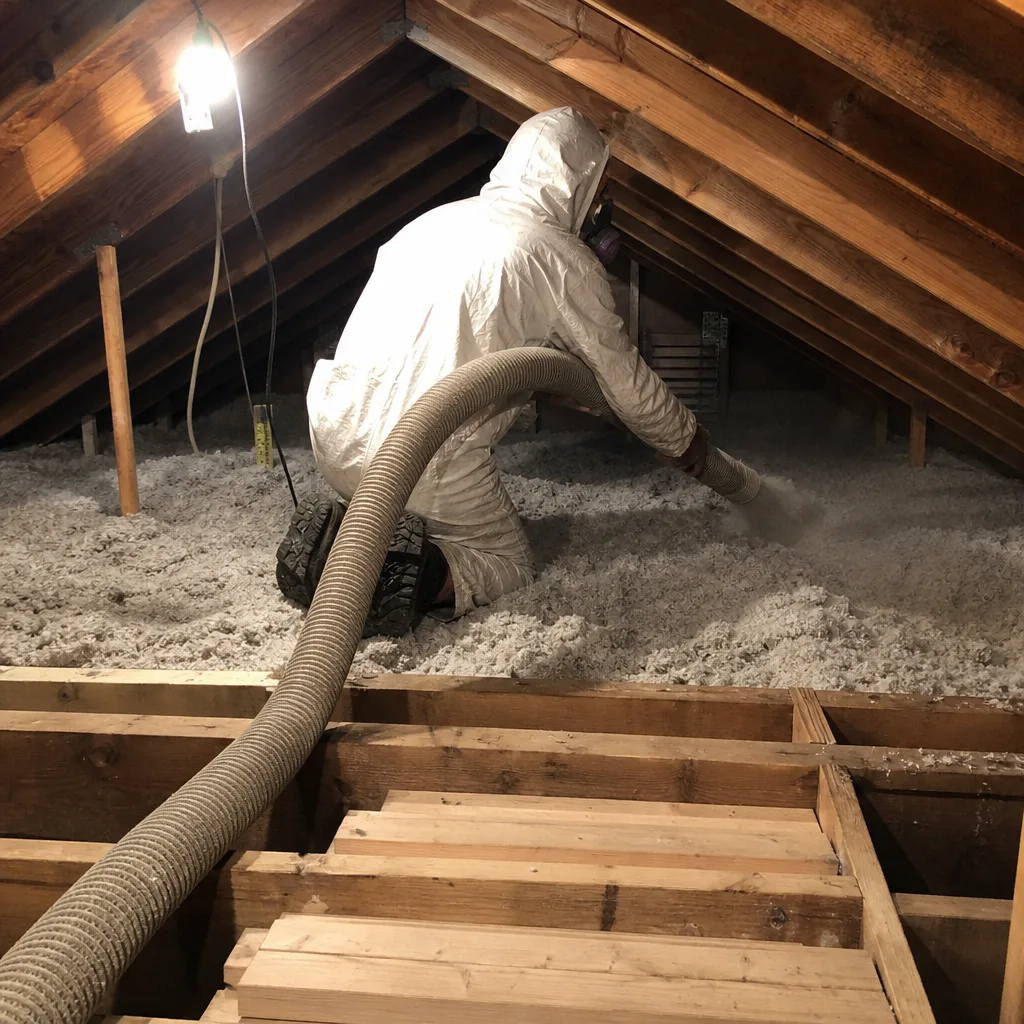
Attic cleaning services in Good Hope are a precursor to adding new insulation, not a separate project we pitch after the fact. A 30-year-old attic over a 92572 manufactured home often carries layers of dust, rodent droppings, and the remains of pests that have lived and died up there. Blowing new insulation over that does not make it disappear. It buries it. The right sequence is: remove the contamination, sanitize the surfaces, evaluate the existing insulation, then install fresh material. That’s how we handle it in Good Hope, and why we bring our own removal equipment on every cleaning call.
What We Remove From Good Hope Attics
The typical Good Hope attic has things in it that a newer tract home doesn’t. Rural lots mean more rodent pressure from fields and open ground. We find nesting material, droppings, and food caches under old insulation. We also find dead pests, because a 150°F attic kills quickly. All of it gets vacuumed, bagged, and removed from your property with our commercial extraction equipment.
Is It Required Before New Insulation?
For old, compressed, contaminated insulation, yes. In a manufactured home where the original batts have collapsed and the duct runs are exposed, or in an older site-built home where rodents have been active, we’ll recommend cleaning before any new installation. It’s not about selling an extra service. It’s about not sealing contamination under a fresh layer of cellulose or fiberglass. The air moving through that attic eventually reaches your living space.
What happens when you call
- 1
A real person answersNo phone trees — you reach a local pro.
- 2
You get an upfront price rangeHonest numbers before anyone is dispatched.
- 3
A background-checked tech heads outLicensed & insured, dispatched right away.
- 4
You approve before work beginsNothing starts until you say go.
Trusted Brands We Service in Good Hope
We carry Icynene and Demilec for closed-cell and open-cell spray foam jobs because they’re two of the most specified brands in high-performance residential envelopes. We carry GreenFiber for blown-in cellulose because it’s a product we trust for reaching the corners and crevices of attic floors and wall cavities in older Good Hope homes. We also carry Owens Corning, Johns Manville, Knauf, Rockwool, and CertainTeed, because a homeowner who wants mineral wool for fire resistance should have that option, not be told to settle for what the crew happens to have on the truck. We keep local Good Hope inventory stocked for common installations. When we quote a material, it’s the material we install.
Common Attic Insulation Problems We See in Good Hope Homes
- Collapsed original batts in older manufactured and site-built homes. Good Hope’s stock skews older, and much of it was insulated once, decades ago, with thin R-19 or worse. The fibers compress, the loft dies, and the top plates and duct runs end up exposed to attic heat that climbs past 140°F by noon.
- Bare, uninsulated ductwork. Ducts run through the attic, not under it. When they’re uninsulated or the wrap has deteriorated, the cooled air inside gets reheated before it reaches any room. We find this on nearly every manufactured home we open up in 92572.
- Uninsulated detached garages and workshops. Good Hope’s bigger lots mean outbuildings. Many were built as shells and never insulated at all. They bake in summer. We catch them on the same trip when we’re doing the main house, because it’s one crew and one truck, and the homeowner shouldn’t have to schedule a second visit.
- Poor attic ventilation clogged with dust and pest debris. Rural dust and rodent activity clog soffit vents and baffles faster than in a developed tract. A sealed attic with no airflow compounds every heat problem. We check baffles and ventilation prep on every Good Hope insulation job.
Pricing for Attic Insulation in Good Hope, CA
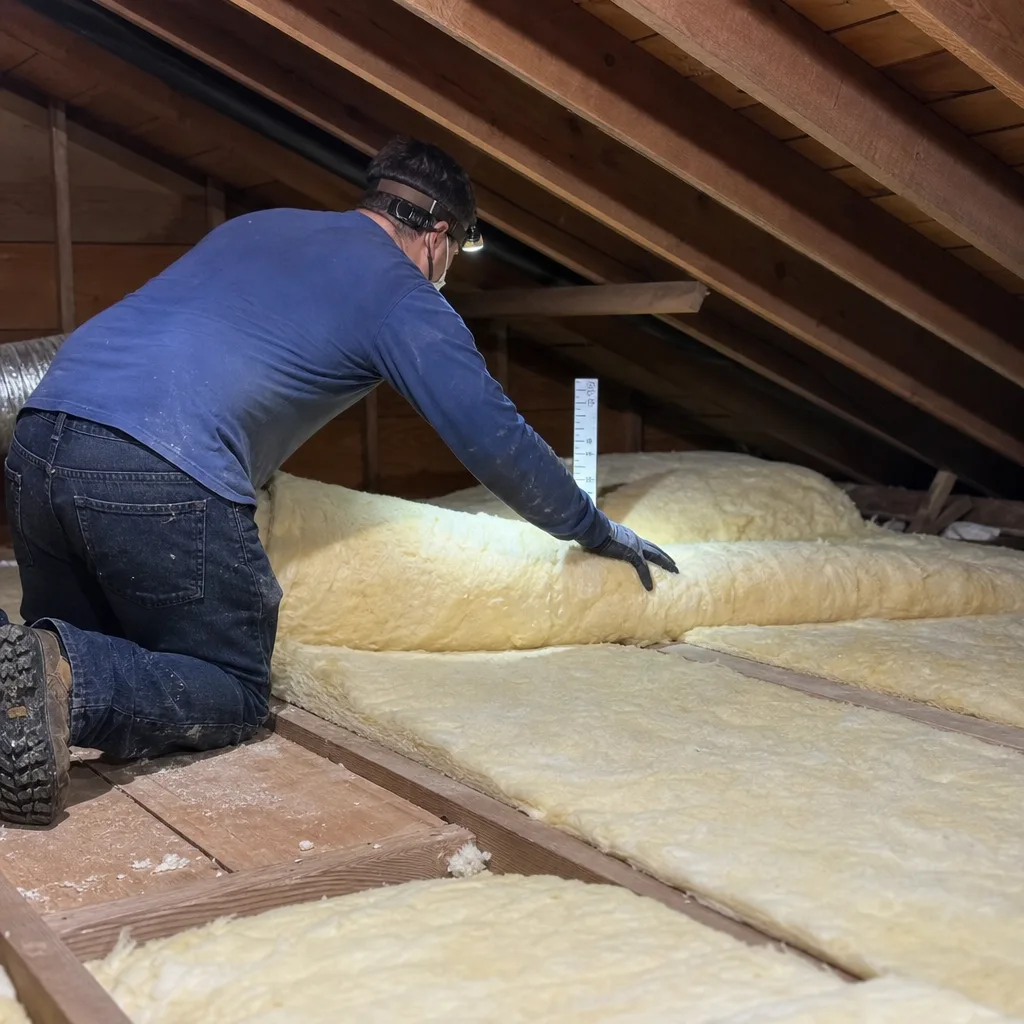
For blown-in attic insulation in Good Hope, a typical single-story site-built home runs $1,600 – $3,200. A full attic insulation replacement with removal of old material runs $2,800 – $4,800, depending on square footage and how much old material we’re pulling. Attic cleaning as a standalone service typically runs $800 – $1,600. A radiant barrier addition runs $1,200 – $2,400. Attic batt insulation rolls in at roughly $1,400 – $2,800. If there’s a detached workshop or garage on the property, adding insulation there typically runs $900 – $2,200 on the same visit. Call (855) 341-3373 for an exact scope and a free estimate on your 92572 property.
We Also Serve Cities Near Good Hope
Our crews work Good Hope every week, so it’s a short drive when someone in Good Hope needs attic work. We also handle jobs in Perris, Romoland, Sun City, and Mead Valley. If your property sits near the county line or in one of the smaller pockets of the Perris Valley, call us and we’ll let you know the next available date for your area.
Serving Good Hope, CA — Our Local Coverage Area
We’re based in the Good Hope area and know this community well. Use the map below to see our service coverage — if you’re nearby, we can almost certainly help.
FAQs About Attic Insulation in Good Hope
Good Hope gets the full inland heat of Riverside County, with summer temperatures routinely over 100°F and attic air reaching 140 – 150°F. A coastal attic never sees those numbers. That means Good Hope’s insulation problem is primarily heat gain: the roof radiates downward, the attic becomes an oven, and the ductwork bakes. Insulation here is less about keeping warm air in and more about keeping heat out. Call (855) 341-3373 and we’ll explain what we’d recommend for your roof structure.
Yes. That’s standard for how we work Good Hope. A crew already on site with a truck and all the equipment can move from the main house to the workshop in the same visit. We quote the whole parcel up front so there’s no surprise second trip. One crew, every insulation need, one point of contact.
We typically find compressed, thin original batts, bare or deteriorating duct wrap, and often signs of rodent activity from the surrounding rural land. The attic space over a manufactured home is shallower than a site-built attic, so heat builds faster and does more damage. We recommend a full assessment before adding new material, because adding over failed insulation doesn’t solve the problem.
In most Good Hope attics, yes. With 140 – 150°F attic air temperatures in summer, the radiant heat is the dominant load. A radiant barrier reflects that heat before it ever reaches the insulation or the ducts. It’s not a replacement for insulation; it’s a layer that makes the insulation work better. We’ll tell you honestly if your attic doesn’t need one, because we’re material-agnostic and we’d rather sell you the right solution.
If there’s rodent contamination, old collapsed insulation, or heavy dust, yes. Cleaning comes first. We remove the failed material, sanitize the space, and then install fresh insulation. Buried contamination doesn’t disappear, and it can compromise the air quality in the house. Call (855) 341-3373 and we’ll walk you through what we see and what we recommend, for free.
Written by Alan Brecker, Owner at Shelter Insulation, serving Good Hope and the surrounding Riverside County communities.