
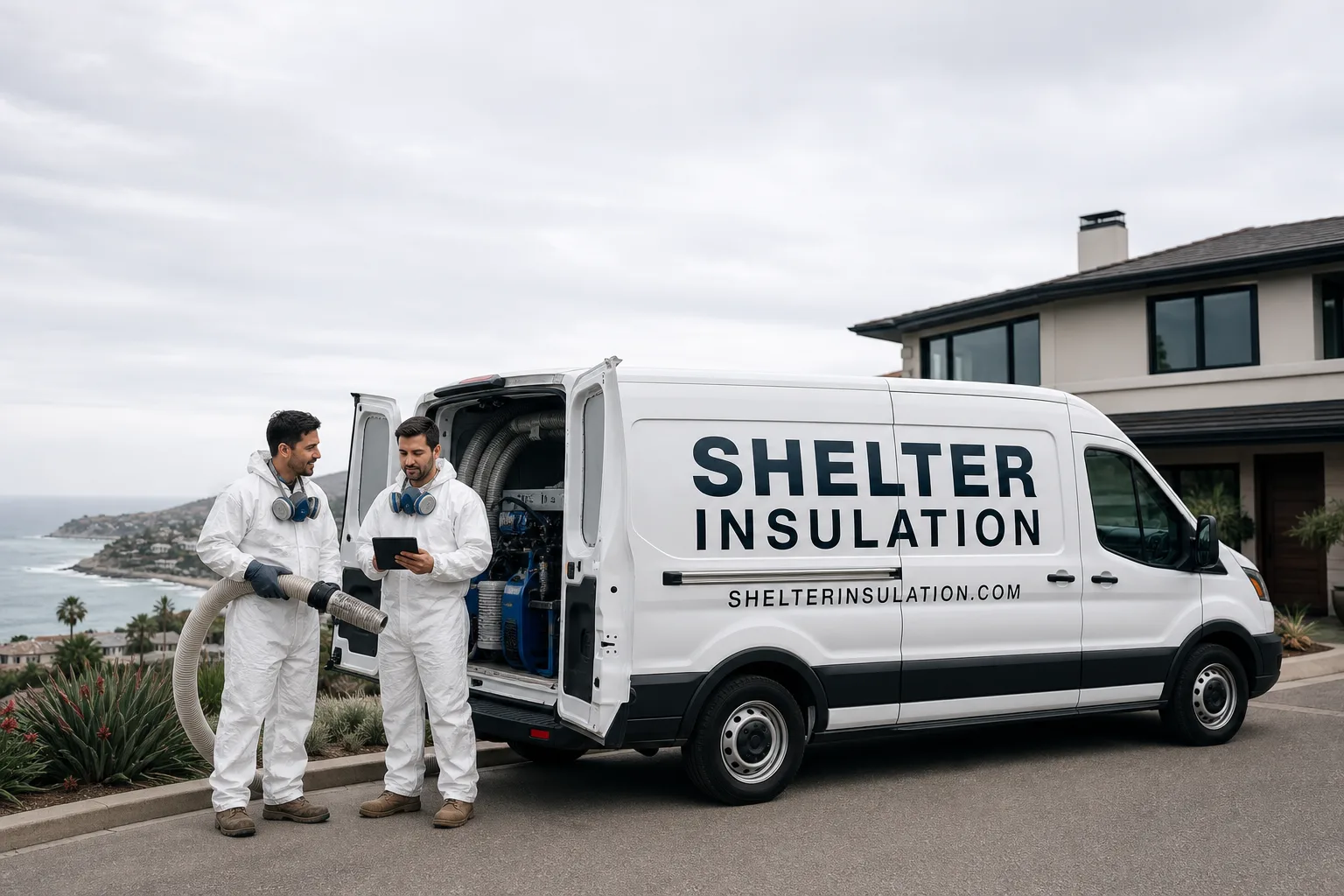
Fast, Reliable Attic Insulation Across Rolling Hills Estates
Attic insulation in Rolling Hills Estates runs $1,450 – $3,200 for a typical 1,500 – 2,200 sq ft ranch home, with top-ups starting around $900 and full replacements with air sealing reaching $4,500 – $6,800. Most jobs are completed in a single day. What makes Rolling Hills Estates different from Torrance or Lomita isn’t the heat; it’s the marine layer that rolls over the Palos Verdes Peninsula every evening, pushing cool, damp air into attics through soffits and top plates. That means your insulation strategy here is about moisture management first, thermal performance second. Call (855) 341-3373 for a free estimate, and we’ll assess what’s actually happening above your ceilings.
Why Shelter Insulation Is Rolling Hills Estates’s Preferred Attic Insulation Company
Homeowners on the peninsula tend to do their research before letting anyone into their attic. We respect that. Shelter Insulation carries eight manufacturer brands (including Owens Corning, Johns Manville, and Demilec) specifically because no single material solves every Rolling Hills Estates attic. A 1960s ranch with vaulted ceilings off Palos Verdes Drive North has different needs than a Mediterranean-style estate tucked into a south-facing slope near the 90505 corridor. We’ve worked both.
Our crews are familiar with the specific failure pattern that defines this area: original 1950s – 1980s fiberglass batts that have settled, compressed, and absorbed moisture from decades of coastal fog cycles. When we quote a job in Rolling Hills Estates, we’re not guessing at what’s behind the drywall. We know what’s likely back there. Alan Brecker founded Shelter Insulation on the principle that homeowners deserve a straight answer about materials and method before a single batt gets installed. That’s how we run every attic on the peninsula.
Response time to Rolling Hills Estates is typically 24 – 48 hours for an initial assessment, and we schedule most installations within a week. No subcontractor roulette. One crew handles your entire attic, from baffle installation to final air sealing.
Attic Cleaning Services in Rolling Hills Estates
Attic Cleaning Services in Rolling Hills Estates involve removing old, contaminated insulation, clearing out rodent debris or decades of dust, and prepping the attic cavity for fresh material. It’s not a luxury add-on here; it’s often the first required step. The peninsula’s marine layer means attics collect moisture, and moisture turns settled dust and old fiberglass into a musty, mold-prone layer that keeps working against you even after you add new insulation on top. A full attic cleaning in Rolling Hills Estates typically runs $1,200 – $2,800 depending on attic size, access difficulty, and how much old material has to be bagged out.
Most homes we clean in the 90505 zip code were built between 1955 and 1985, which means the original insulation has had 40 – 70 years to absorb moisture, break down, and compact. You can add new batts over that, but you’re building on a compromised base. Or you can clean it out and start fresh.
Batt Removal and Disposal
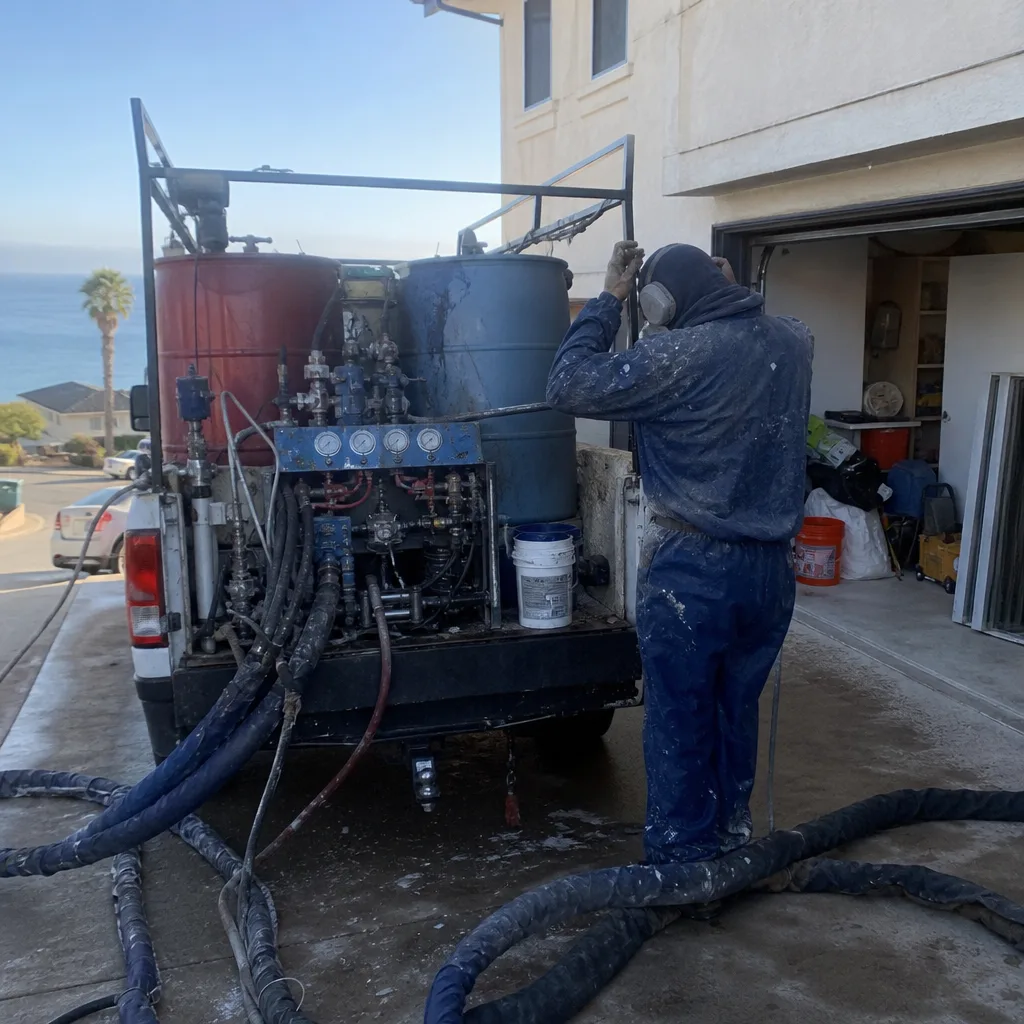
We cut and bag the old fiberglass, vacuum the attic floor, and haul everything off-site. For larger estate homes with attached workshops or accessory structures, we’ll isolate the main attic first and schedule the outbuildings separately so you’re not living with a torn-apart house for more than a day or two at a time.
Sanitizing and Prep for New Insulation
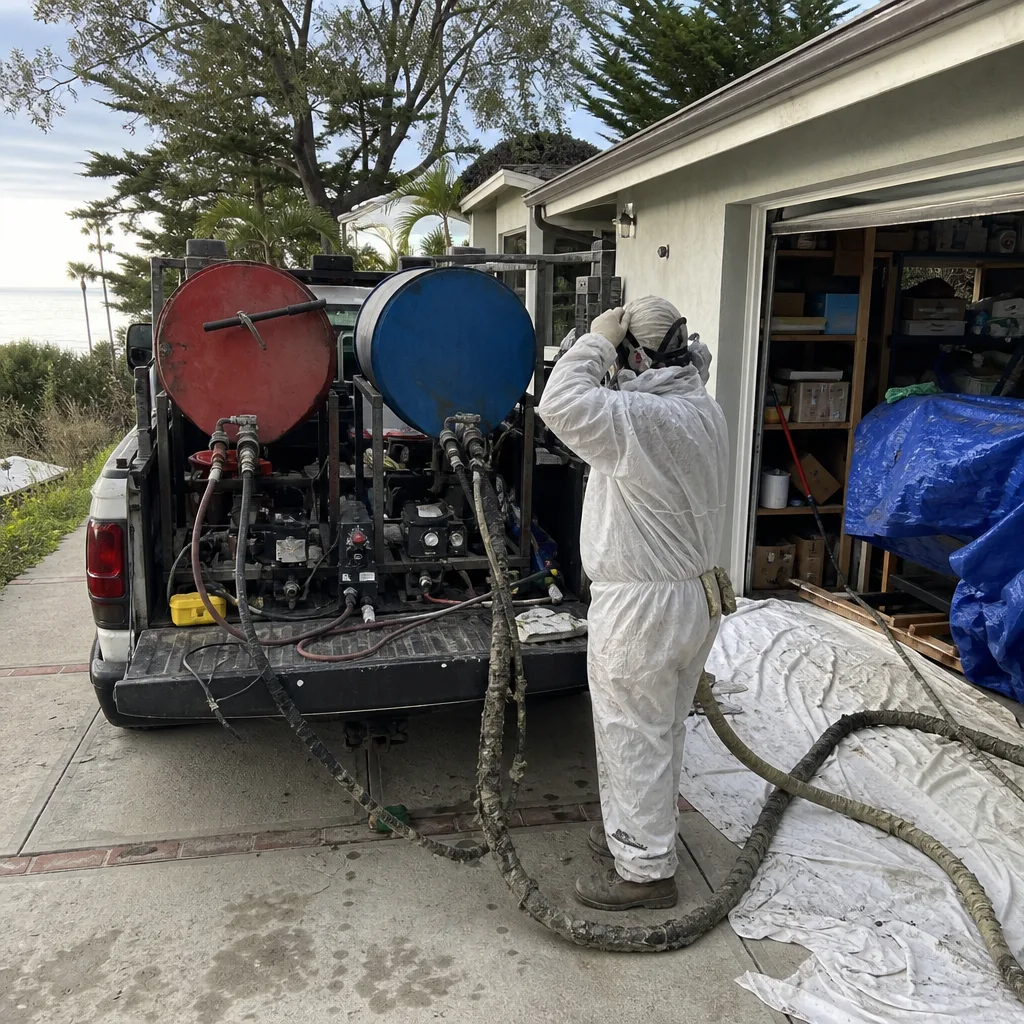
After removal, we treat the decking and framing with an EPA-registered sanitizing agent to knock down mold spores and neutralize the damp, musty odor that coastal moisture leaves behind. Then we air-seal top plates, plumbing penetrations, and wire chases before the new insulation goes in. This is the step most homeowners skip, and it’s the one that makes the difference on a foggy peninsula evening.
What happens when you call
- 1
A real person answersNo phone trees — you reach a local pro.
- 2
You get an upfront price rangeHonest numbers before anyone is dispatched.
- 3
A background-checked tech heads outLicensed & insured, dispatched right away.
- 4
You approve before work beginsNothing starts until you say go.
Attic Mold Removal in Rolling Hills Estates
Attic Mold Removal in Rolling Hills Estates addresses the specific mold pattern this peninsula is known for: dark staining on the underside of roof sheathing, concentrated on south- and west-facing slopes where the nightly marine layer pushes damp air into the attic. The mold itself is usually a surface issue, but it’s a symptom of a ventilation or air-sealing failure. Removing the visible mold without fixing the moisture source just sets you up for a repeat. Expect to pay $1,800 – $4,200 for a full attic mold remediation in Rolling Hills Estates, including treatment, ventilation correction, and follow-up verification.
Homes on the south- and west-facing slopes of the peninsula get hit harder because the onshore fog lingers there longer. We routinely find condensation-stained sheathing and sagging, damp batts on homes that look completely fine from the street. It’s not a roof leak. It’s the fog finding its way in.
Mold Treatment and Sheathing Restoration
We apply a mold-inhibiting solution directly to affected sheathing and framing, then correct the airflow problem. This usually means adding or repairing soffit vents, replacing clogged baffles, and sealing the top plates where warm interior air meets cool attic air. On vaulted-ceiling ranches, we inspect the vapor barrier placement carefully because a barrier installed on the wrong side of the assembly traps moisture in the wall cavity. That’s a common peninsula problem, and it turns a small mold patch into a recurring headache.
Preventing Recurrence with Vapor Management
Rolling Hills Estates attics need insulation specified for moisture, not just R-value. We pair your new insulation with a vapor-retarder layer rated for the coastal fog cycle, so the nightly dampness doesn’t get absorbed into the new material the way it did into the old fiberglass. This is the difference between a five-year fix and a twenty-year fix.
Common Attic Insulation Problems We See in Rolling Hills Estates Homes
- Settled, moisture-laden original batts: Those 1950s – 1980s ranch homes were often built with R-19 or less in the attic. Decades of marine-layer moisture have compressed that insulation well below its rated R-value, and the dampness means it’s doing almost nothing on cool evenings.
- Condensation-stained sheathing on south/west slopes: The nightly fog enters through unsealed soffits and top plates, condenses on the cool roof deck, and leaves dark staining that signals ongoing moisture loads. This is far more pronounced on windward-facing slopes than on the leeward side of the peninsula.
- Vapor barriers installed on the wrong side of vaulted ceilings: In many 1960s Mediterranean-style homes here, a moisture barrier was placed against the drywall rather than the roof deck, trapping moisture inside the stucco wall assembly. That dampness then wicks into the attic insulation and degrades it from the inside out.
- Detached workshops and accessory structures with zero insulation: Rolling Hills Estates’ horse-property and estate lots mean lots of detached garages, tack rooms, and workshop buildings. These structures often got no insulation at all when they were built, and the owners don’t realize it until a foggy winter evening makes the space unusable.
Pricing for Attic Insulation in Rolling Hills Estates, CA
Here’s what you can expect to pay in the 90505 market, based on homes we’ve quoted and completed on the peninsula:
- Attic insulation top-up (blown-in over existing): $900 – $1,800
- Full attic replacement with air sealing: $2,400 – $5,200
- Attic cleaning (removal and disposal of old material): $1,200 – $2,800
- Attic mold removal with ventilation correction: $1,800 – $4,200
- Spray foam attic (open-cell, unvented assembly): $3,800 – $7,500
Square footage, attic accessibility, and how much old material has to come out drive the final number. We give you a written, line-item quote before any work begins, and we don’t pad the price with “fog surcharge” nonsense. Call (855) 341-3373 for an exact quote. Estimates are free, and we’ll walk you through what your attic actually needs.
Trusted Brands We Service in Rolling Hills Estates
We carry Owens Corning batts and blown-in fiberglass for straightforward attic retrofits, GreenFiber cellulose for loose-fill applications where reaching odd corners matters, and Demilec spray foam for unvented attic assemblies on vaulted-ceiling homes where moisture management is the top priority. We stock the common materials for Rolling Hills Estates jobs in our local warehouse, which means a top-up on a 1960s ranch off Crest Road doesn’t wait a week for materials to ship. One crew installs all of it, so you’re not coordinating three different contractors for your attic, your walls, and your detached studio.
We Also Serve Cities Near Rolling Hills Estates
Our crews cover the entire South Bay and Peninsula, including Attic Insulation in Rolling Hills Estates and neighboring communities like Torrance, Lomita, West Carson, and Carson. If you’re within a 30-minute drive of the peninsula, we can usually schedule your attic assessment within two business days.
Serving Rolling Hills Estates, CA — Our Local Coverage Area
We’re based in the Rolling Hills Estates area and know this community well. Use the map below to see our service coverage — if you’re nearby, we can almost certainly help.
FAQs About Attic Insulation in Rolling Hills Estates
The marine layer pushes cool, humid air into your attic through unsealed soffits, gable vents, and top plates every evening. When that foggy air hits the underside of your roof deck, it condenses and soaks into whatever insulation is up there. The fix is air sealing plus vapor management, not a roof repair. Call (855) 341-3373 and we’ll pinpoint exactly where the moisture is entering.
Yes. Rolling Hills Estates has a lot of detached workshops, tack rooms, and accessory structures that were built with no insulation at all. We can insulate those spaces with blown-in cellulose or fiberglass batts, and if you want an airtight, conditioned workshop, Demilec spray foam handles the job properly. Same crew, same warranty, no separate contractor.
Look for dark gray or black staining on the underside of the roof sheathing, especially on the south and west sides where the fog lingers longest. Also watch for sagging fiberglass batts, a persistent musty smell when you open the attic hatch, and visible moisture on ducting or framing in the early morning. If you see any of that, call (855) 341-3373 for a mold assessment before it spreads further.
In Rolling Hills Estates, usually yes. The original batts in most 1950s – 1980s homes here have absorbed decades of marine-layer moisture, and adding new insulation on top of damp, compressed material is a waste of money. We recommend removal, a sanitizing treatment, air sealing, and then fresh insulation specified for the coastal fog cycle. That’s the only way to get the full rated R-value.
The peninsula’s daily swing from a sunny 75°F afternoon to a foggy 58°F evening means your attic insulation has to handle moisture, not just heat. We lean toward Owens Corning batts with a vapor-retarder layer for standard attics, and Demilec open-cell foam for vaulted or unvented assemblies where condensation control is the primary job. The right material depends on your exact slope, ceiling type, and existing ventilation. Call (855) 341-3373 for a recommendation based on your home’s actual conditions.
Get Your Rolling Hills Estates Attic Insulation Quote Today
If your ranch home off Palos Verdes Drive North loses heat every evening when the fog rolls in, or your vaulted ceilings are sweating, don’t guess. We’ll inspect your attic, tell you exactly what’s going on, and quote the work line by line. Estimates are free. Call (855) 341-3373 or reach out through our Attic Insulation service page to schedule an assessment. We serve the entire 90505 zip code and the surrounding peninsula within 24 – 48 hours.
Written by Alan Brecker, Owner at Shelter Insulation, serving Rolling Hills Estates and the Palos Verdes Peninsula.