
Emergency Attic Insulation Near Me: What Laguna Beach Homeowners Should Do First
Wet attic insulation after a coastal rain event isn’t an insulation emergency. It’s a roof or condensation emergency, and replacing the insulation first is the most expensive way to discover that. In Laguna Beach, where marine air and 2023 – 2024 atmospheric river storms created a specific failure pattern in homes with inadequate eave ventilation, the correct first step is almost never same-day installation. The correct first step is diagnosis. If you’d rather not sort through this alone, call (855) 341-3373 and we’ll walk you through it.
Why Laguna Beach Attics Fail Differently
Laguna Beach homes sit in a marine layer zone. That means morning fog, salt-laden air, and humidity levels that inland cities like Anaheim simply don’t experience. Add the atmospheric river storms we got in 2023 and 2024, and you have a recipe for attics that stay damp for weeks, not days.
We’ve walked into attics in Laguna Beach where the insulation looked like a wet sponge three weeks after the last rain. The homeowner assumed the insulation failed. It hadn’t. The eave vents were undersized, and the marine air never moved through. Warm daytime air hit the cool underside of the roof deck, condensed, and dripped straight into the fiberglass. Replacing that insulation without fixing the ventilation would have meant doing the whole job twice.
Coastal homes need different ventilation math than inland homes. An attic that works fine in Irvine or Anaheim can become a moisture trap three blocks from the beach. The salt content in the air accelerates mold growth on damp insulation. If you catch the smell early, you’re lucky. If you don’t, you’ll notice it in the hallway.
The Four Scenarios Homeowners Call ‘Emergencies’
In our experience serving Laguna Beach homeowners, actual insulation emergencies fall into four categories. Here’s how to triage each one before anyone picks up a phone.
- Moisture intrusion. Water from a roof leak, failed flashing, or condensation has soaked the insulation. The insulation is the symptom, not the cause. This is the most common call we get after coastal storms.
- Pest damage. Rats or squirrels nesting in attic insulation. The insulation needs removal, but only after the entry points are sealed. Otherwise you’re building a new nest.
- Fire or smoke exposure. A small electrical fire or chimney issue left smoke residue throughout the attic. This is genuinely urgent, but it’s also a job for proper protective equipment and material testing first.
- HVAC duct failure. Ducts sweating or leaking in the attic, dumping condensation into the insulation below. The insulation didn’t fail. The ducts did.
In every one of these, the insulation replacement comes last in the sequence. Not first. The emergency isn’t the insulation. The emergency is whatever happened to it.
Temporary Measures That Actually Buy You Time
If you’ve discovered a problem in your Laguna Beach attic at 9 p.m., you don’t need to make a desperate phone call. You need to buy yourself 48 to 72 hours to make a smart decision.
Here’s what actually helps in the short term:
- Contain the area. If you have wet or damaged insulation in one section, close off the attic access and keep foot traffic out. You’re limiting fiber and mold spore spread through the house.
- Run a dehumidifier in the living space below. Not in the attic. Attic dehumidifiers can mask the problem without removing the moisture source. You want to protect the living envelope while you sort out the attic.
- Photograph everything before touching anything. Shots of the wet insulation, any stains on rafters or sheathing, the underside of the roof deck. Take wide shots first, then close-ups with a measuring tape in frame for scale. If this becomes an insurance claim, that documentation is your leverage.
- Note the weather patterns. When did you first smell it? Was it after a specific storm? Does it get worse in the morning? That timing data helps a contractor distinguish between a roof leak and condensation, and it can save you hours of diagnostic time.
None of these steps commits you to a permanent fix. That’s the point. An emergency should never force you into a bad decision.
How to Document Attic Conditions Before Any Contractor Arrives
This is the step most homeowners skip, and it’s the one that protects you the most. Before you call anyone to your Laguna Beach home, document the attic thoroughly.
- Take photos in natural daylight. Use a flashlight only as a supplement. Natural light shows moisture staining more accurately.
- Measure the affected area. Rough square footage of wet or damaged insulation. Even a tape measure stretched across the area works. You want a baseline number so you can compare against what a contractor later claims.
- Photograph any roof deck discoloration separately from insulation damage. These are different issues with different solutions.
- Check for a ridge vent or powered vent. Note whether one exists, and whether it appears to be functioning. A contractor who tells you the insulation failed without asking about the ventilation isn’t doing the job.
- Save everything in a labeled folder with dates. Insurance adjusters and honest contractors will both respect documentation. It also filters out the ones who hoped you wouldn’t have any.
We’ve had homeowners show up with more thorough documentation than some inspectors produce. It made our job faster and their final bill lower. That’s not a coincidence.
Why Moisture-Damaged Insulation Must Dry Before Anything New Goes In
Most insulation materials lose their thermal performance when wet, but that’s not the primary reason to wait. The primary reason is that moisture trapped beneath new insulation keeps doing damage after the job is done.
Here’s the sequence that happens in a Laguna Beach attic when someone replaces wet insulation without properly drying the space:
- New insulation gets installed over damp roof decking or damp framing.
- The moisture is now sealed in a dark, warm space. That’s a mold incubator.
- Six months later, the homeowner smells must again and assumes the new insulation failed.
- It didn’t fail. It was installed into a wet environment.
Before any new material goes in, the roof deck and framing should be dry to the touch and ideally verified with a moisture meter. The source of the moisture, whether it’s a flashing leak, a condensation pattern, or a ventilation shortfall, needs to be fixed and ideally observed through one wet season. In Laguna Beach, that often means waiting through the next winter rain cycle to confirm the fix held.
Is that inconvenient? Yes. Is it less expensive than replacing insulation twice? Almost always.
What Actually Creates an Emergency Worth Calling For
There are genuine insulation emergencies. They’re rarer than most people think, but they exist.
If you smell smoke residue in the attic after an electrical issue, that warrants an immediate professional assessment. Smoke particles embed into fiberglass and cellulose, and the remediation requires proper containment. This is not a DIY situation and it’s not a wait-and-see situation.
If you see structural sagging in the ceiling below the attic, that’s a roof or framing issue, and it’s urgent. The insulation is irrelevant to that emergency.
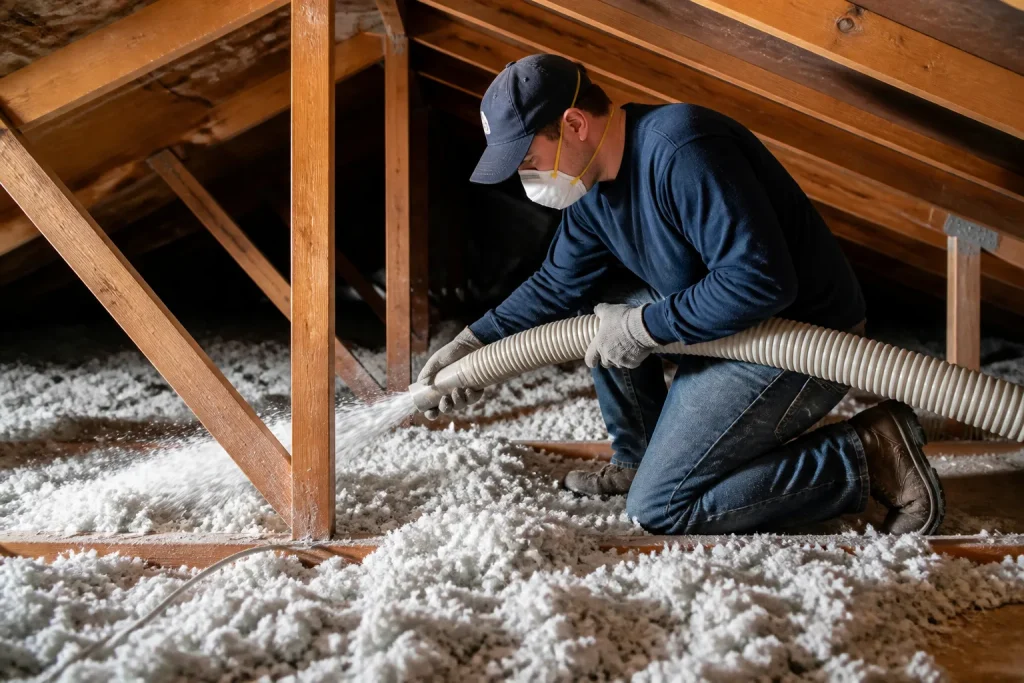
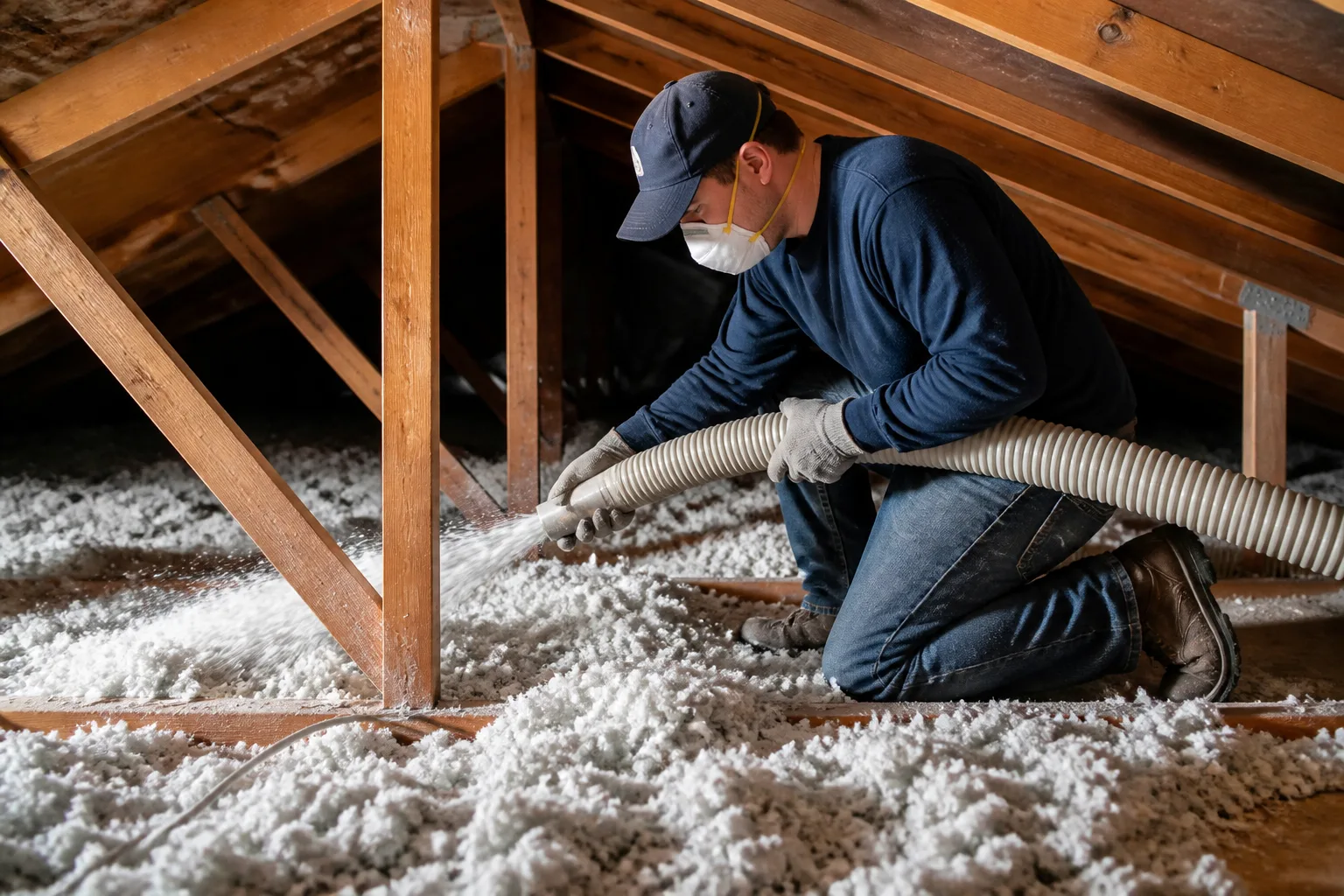
If you find extensive pest activity, the urgency is lower than it feels, but the cleanup is a real job. Pest-damaged insulation needs removal, the entry points need sealing, and the space needs cleaning before new material goes in. We carry GreenFiber blown-in insulation as a common choice in those situations because it’s easy to install evenly in awkward attic angles, but the pest exclusion comes first no matter what material you choose.
If you’re in Laguna Beach and you’re not sure whether your situation is an emergency, call us at (855) 341-3373. A quick phone conversation usually sorts it out. Most of the time, the honest answer is that you have a few days to make a good decision. That’s better than a rushed one.
How We Diagnose an Attic Before Recommending Any Material
Shelter Insulation carries materials from eight manufacturers, including Icynene spray foam, Demilec closed-cell foam, CertainTeed batts, and GreenFiber cellulose. That range matters for one specific reason: we don’t have to steer you toward whatever’s on the truck.
When we inspect a Laguna Beach attic, the first thing we’re looking for isn’t what insulation to install. It’s whether the attic is currently dry, whether the ventilation moves air, and whether the roof deck is sound. Only after those questions are answered do we talk about materials.
For a coastal home with a persistent condensation problem, a high-performance air seal might matter as much as the R-value. For a home with noise from the Pacific Coast Highway, mineral wool can be the difference-maker, not because of thermal performance but because of sound attenuation. For a hot roof deck that turns the attic into an oven by 10 a.m., a radiant barrier conversation might be more useful than another batt.
The wrong material installed well still fails. The right material installed into an unvented, damp attic also fails. The diagnostic step isn’t a formality. It’s the whole job.
When to Call a Pro
If any of these apply to you, stop reading and start dialing:
- You smell smoke in the attic, not just must.
- Water is actively dripping through a ceiling below the attic.
- You see mold covering more than a few square feet of insulation.
- You tried the temporary measures and the smell got worse, not better.
- You don’t feel comfortable going into the attic yourself. That’s a legitimate reason.
For Laguna Beach homeowners who need related services, we handle attic insulation, spray foam insulation, and blown-in insulation as standalone or combined projects. One crew covers all three, which means you’re not coordinating three different contractors for the same attic.
The Bottom Line
The attic emergency you’re experiencing in Laguna Beach is usually a different problem wearing an insulation costume. Moisture is a roof or ventilation issue. Pest damage is an exclusion issue. Smoke is an electrical or chimney issue. In each case, replacing insulation before fixing the cause converts a contained problem into an recurring one.
Your first steps should be documentation, containment, and a diagnostic conversation with someone who can tell the difference between a symptom and a cause. If you’re in Laguna Beach and need help sorting it out, Shelter Insulation offers free estimates. Call (855) 341-3373 and tell us what you’re seeing. We’ll tell you honestly whether you have an emergency or a few days to make a good decision.
Frequently Asked Questions
Is wet attic insulation an emergency?
Usually not. Wet insulation means water got in, and the source of the water is the emergency, not the insulation itself. In Laguna Beach, coastal moisture and storm events create condensation patterns that mimic leaks. Dry the space, fix the source, and then replace the insulation. Replacing wet insulation immediately without finding the source means you’ll do the job twice.
How much does emergency attic insulation replacement cost in Laguna Beach?
Costs vary based on the size of the affected area, the material chosen, and whether the underlying cause has already been fixed. A small section of blown-in cellulose runs less than a full attic of closed-cell spray foam. The expensive mistake isn’t the material cost. It’s paying for replacement twice because the moisture source wasn’t addressed first. Call (855) 341-3373 for an exact quote. Estimates are free.
Can I stay in my home with wet attic insulation?
In most cases, yes, as long as you keep the attic access closed and run a dehumidifier in the living space below. The exception is if you smell smoke or see extensive mold growth. In those situations, stay out of the attic and get a professional assessment before spending more time below it.
How long does an attic need to dry before new insulation goes in?
Depending on the season and your Laguna Beach home’s ventilation, a properly ventilated attic dries within a week to ten days after the moisture source is fixed. The framing and roof deck should be dry to the touch and verified with a moisture meter before any new material goes in. In coastal homes, we often recommend waiting through one rain cycle to confirm the fix actually held.
Written by the team at Shelter Insulation, serving Laguna Beach since 2016.
Need Insulation Help?
Call Shelter Insulation — licensed & insured, here with fast after-hours help in Laguna Beach.
(855) 341-3373